Ambulatory phlebectomy

Ambulatory phlebectomy

Ambulatory phlebectomy removes large, bulging varicose veins through tiny nicks in the skin, and is also called stab avulsion or microphlebectomy. It is usually done at the same time as closing the faulty vein underneath, so the veins you can see are dealt with in the same treatment.

Included at no extra cost when done with radiofrequency ablationLocal anaesthetic in our Manly rooms, or sedation at the Mater HospitalWalk out the same day

Request an appointment

Prefer to choose your own time? Book online:

Or request a call back below.

Not for urgent medical concerns. In an emergency, call 000.

How it works

Removing the veins you can see

Bulging varicose veins are usually branches of a faulty vein deeper in the leg. Closing that vein with radiofrequency ablation treats the cause, and phlebectomy removes the branches. Dr McConnell usually does both in the same session.

Dr Ryan McConnell during an imaging-guided vein procedure
01
Marking the veins
With you standing, Dr McConnell marks the bulging veins on your skin, using ultrasound where needed.
02
Anaesthetic
The skin over the veins is numbed with local anaesthetic. At the Mater Hospital you can have sedation or a general anaesthetic instead.
03
Removing the veins
Through nicks of 1 to 3 mm, the vein is gently lifted out in short sections. The nicks are usually closed with paper strips rather than stitches.
04
Afterwards
A firm bandage goes on for 24 hours, then a compression stocking for 2 weeks. You walk out the same day.
Choosing a treatment

Phlebectomy or foam sclerotherapy?

Both treat the surface veins, and the right choice depends on the size and position of each vein. Dr McConnell often uses both in the same leg, and will explain his plan at your consultation.

ComparePhlebectomyFoam sclerotherapy
Best forLarge, bulging veins close to the surface, especially on the thigh and calfSmaller or twisting veins, veins that have come back after treatment, and veins near an ulcer or around the ankle
How it worksThe vein is removed through tiny nicks in the skinThe vein is closed with injected foam and fades over time
SessionsUsually oneSometimes more than one
AfterwardsBruising for a week or two, and tiny marks that fadeFirm, tender lumps or brown marks along the vein are common, and fade over weeks to months
Results

Before and after phlebectomy

This patient’s faulty vein was closed with radiofrequency ablation, and the bulging veins over his thigh and knee were treated with phlebectomy and sclerotherapy. Photographed with his consent, in the same position and lighting, without editing. Results vary from person to person.

See more before and after photos

Before treatment: bulging varicose veins on the thigh and kneeBefore
After treatment: the same leg 3 months laterAfter
Man in his 60s3 months after radiofrequency ablation, phlebectomy and sclerotherapy
Recovery

Recovery after phlebectomy

Most people are back to normal life within a day or two.

Walking
Straight away. Walking is encouraged from the day of treatment.
Driving
After 24 hours.
Work
Usually after 24 to 48 hours, depending on how physical your job is.
Exercise
Strenuous exercise after 2 weeks.
Bandage and stocking
A firm bandage for the first 24 hours, then a compression stocking for 2 weeks.
Bruising and marks
Bruising usually settles over 2 to 3 weeks. The tiny marks fade over the following months.
Follow-up
A follow-up ultrasound, which is bulk billed.
Cost

What it costs

With radiofrequency, laser or glue treatment
Included
Part of the $3,000 per leg in our rooms, or the $1,800 per leg gap in hospital with private health insurance.
On its own
Quoted
You get a written quote at your consultation, before any treatment.

Payment plans are available through humm. See all fees

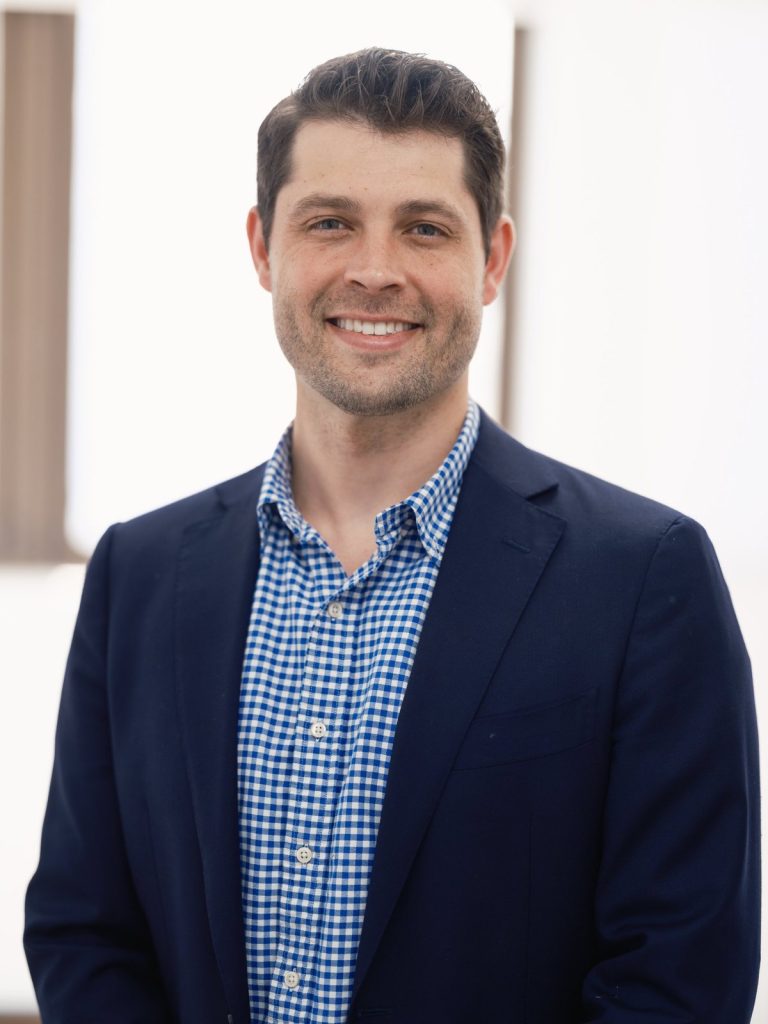
Dr Ryan McConnell, interventional radiologist
Your doctor

Dr Ryan McConnell

BMBS, FRANZCR · Interventional radiologist

Dr McConnell is an interventional radiologist and vein specialist, and performs every treatment himself. Interventional radiologists treat conditions through a needle, guided by imaging, every day. About varicose vein treatment

Questions

Common questions

The nicks are only 1 to 3 mm long and are usually closed with paper strips rather than stitches. They fade over the following months, and in most people are hard to see once healed.

The skin is numbed with local anaesthetic, so you feel pushing and pulling but not sharp pain. The leg is usually bruised and a little sore for a week or two, which simple pain relief helps. At the Mater Hospital you can have sedation or a general anaesthetic instead.

Bruising is expected. Less often there can be a firm lump where a small piece of vein remains, a small patch of numb skin from a tiny skin nerve, which usually improves, or an infection in one of the nicks. New varicose veins can develop over time, which is why the faulty vein underneath is treated as well.

Yes, if the main veins are working and only some surface veins are bulging, or for veins left after earlier treatment. Your ultrasound shows whether you need treatment of the vein underneath first.

They suit different veins. Large bulging veins near the surface are usually best removed with phlebectomy. Smaller or twisting veins, veins that have come back and veins around the ankle are usually better treated with foam sclerotherapy. Many people have both.

You can book before you have one, but please get a GP referral before your appointment. It means you can claim the Medicare rebate for your consultation, and we can keep your GP updated.

Find out which treatment suits you

Your consultation includes an ultrasound and a written plan and quote, in Manly or St Leonards.

Any surgical or invasive procedure carries risks. Before proceeding, you should seek a second opinion from an appropriately qualified health practitioner. Information on this website is general and isn't a substitute for advice about your own health. For other interventional radiology procedures, visit drryanmcconnell.com.au.

checkBook A
Consult