Varicose vein treatment

Radiofrequency ablation for varicose veins

Radiofrequency ablation (RFA) closes the faulty vein from the inside with gentle heat, through a needle and under local anaesthetic. It is the treatment Dr McConnell uses most often, and it has some of the longest-term evidence of any varicose vein treatment.

Done in our Manly rooms or in hospitalWalk out straight afterSame price as laser or glue

Request an appointment

Prefer to choose your own time? Book online:

Or request a call back below.

Not for urgent medical concerns. In an emergency, call 000.

How it works

How radiofrequency ablation works

A thin catheter is passed into the faulty vein, usually the great or small saphenous vein, through a needle in the skin. Ultrasound guides it into position. The catheter heats the vein wall in short segments, which seals the vein closed.

Blood then flows through the healthy veins instead, and the closed vein is gradually absorbed by the body. Visible surface veins are usually treated at the same time with sclerotherapy or phlebectomy.

Dr Ryan McConnell during an imaging-guided vein procedure
01
Mapping and local anaesthetic
Your veins are mapped with ultrasound. Local anaesthetic fluid is injected around the vein to numb it and protect the tissues around it.
02
Closing the vein
The catheter is placed under ultrasound and the vein is treated in short segments. You may feel warmth or pressure, but it should not be painful.
03
Afterwards
Surface veins are treated if needed, a compression stocking goes on and you walk out. The procedure usually takes about an hour.
Choosing a treatment

Radiofrequency, laser or glue?

The best method depends on your veins, and Dr McConnell will talk you through the options at your consultation.

Radiofrequency and laser ablation close the vein with heat. Of the minimally invasive treatments, they have the longest track record, with a low chance of the vein reopening, and are what Dr McConnell recommends for most people. He uses radiofrequency most often.

VenaSeal closes the vein with medical glue and needs only one small local anaesthetic injection, so it can be a good choice if you would find the injections used for heat treatment hard to tolerate. It is newer, so its long-term results are not yet as well established.

We charge the same for all three, so the choice can be made on what suits your veins, not on price.

CompareRadiofrequencyLaserVenaSeal
How the vein is closedHeat, from a radiofrequency catheterHeat, from a laser fibreMedical glue
AnaestheticLocal anaesthetic injected along the veinLocal anaesthetic injected along the veinOne small local anaesthetic injection where the catheter goes in
EvidenceLongest-term results, low chance of the vein reopeningLongest-term results, similar to radiofrequencyShorter track record, slightly higher chance of the vein reopening in studies
StockingsYes, for a period after treatmentYes, for a period after treatmentNot needed for the glue itself, but usually needed because sclerotherapy is done as well
WhereOur Manly rooms, or the Mater HospitalThe Mater HospitalOur Manly rooms, or the Mater Hospital
Results

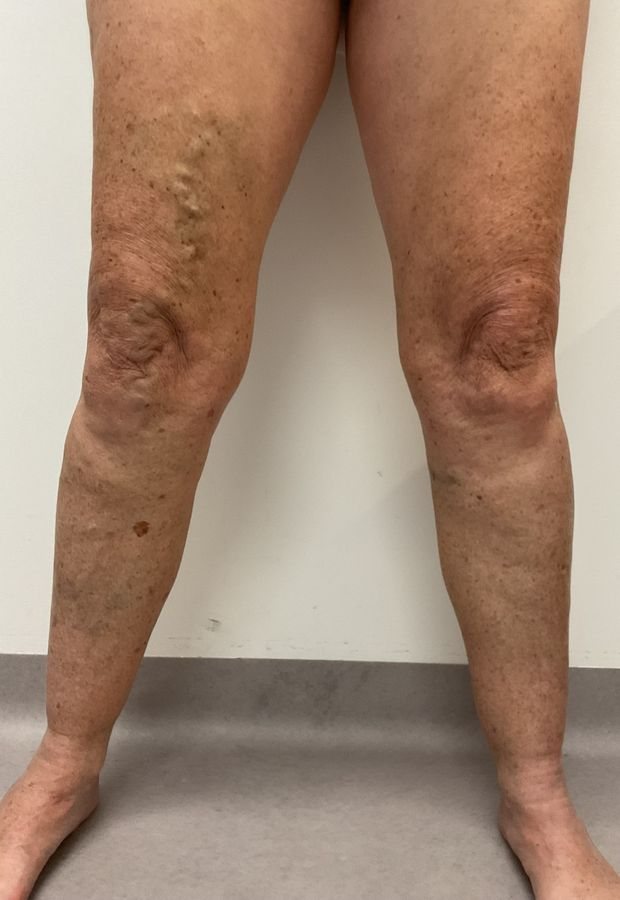
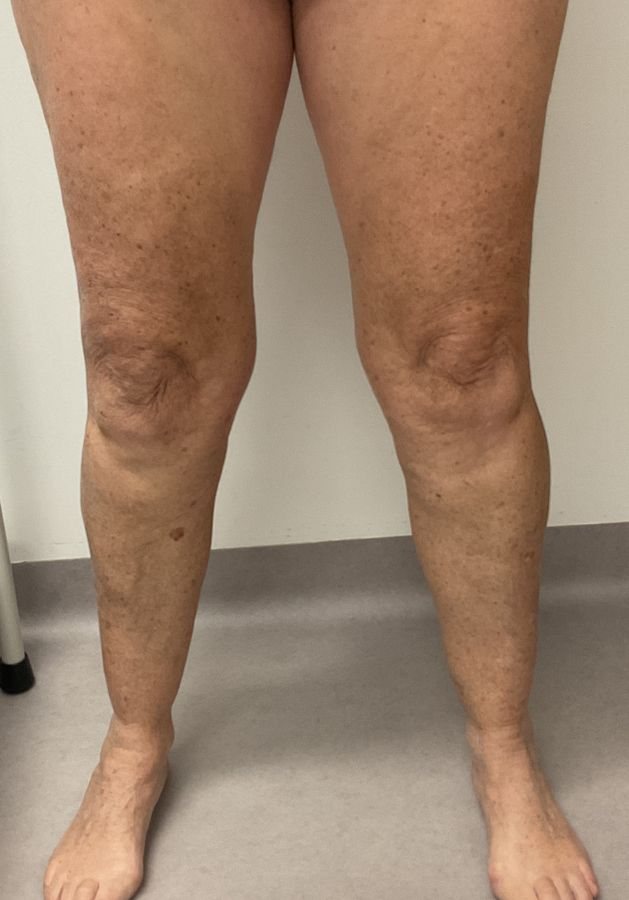
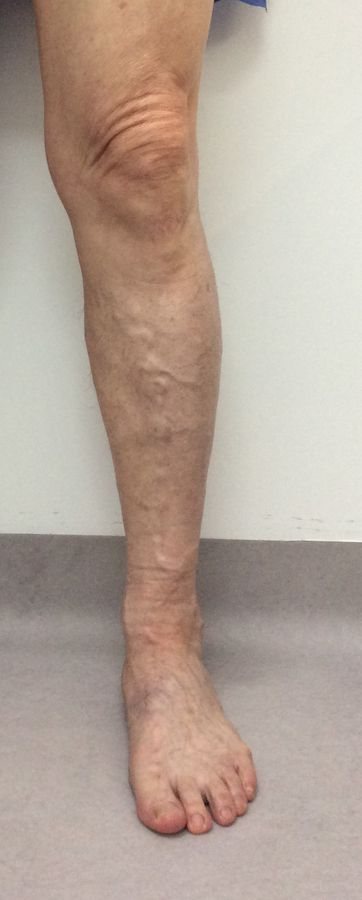
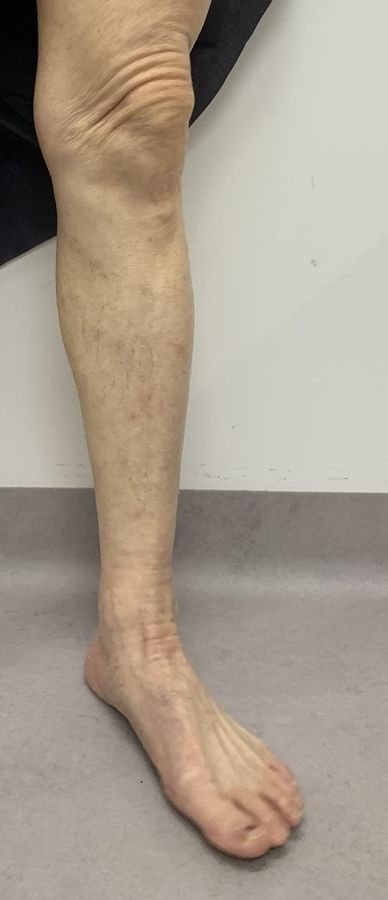
Before and after radiofrequency ablation

Real patients of Dr McConnell, photographed with their consent in the same position and lighting, without editing. Results vary from person to person.

Before treatment: varicose veins on the right thigh and kneeBefore
After treatment: the same legs 6 months laterAfter
Woman in her 60s, right leg6 months after radiofrequency ablation and sclerotherapy
Before treatment: varicose veins on the lower legBefore
After treatment: the same leg 5 months laterAfter
Man in his 70s5 months after radiofrequency ablation and sclerotherapy
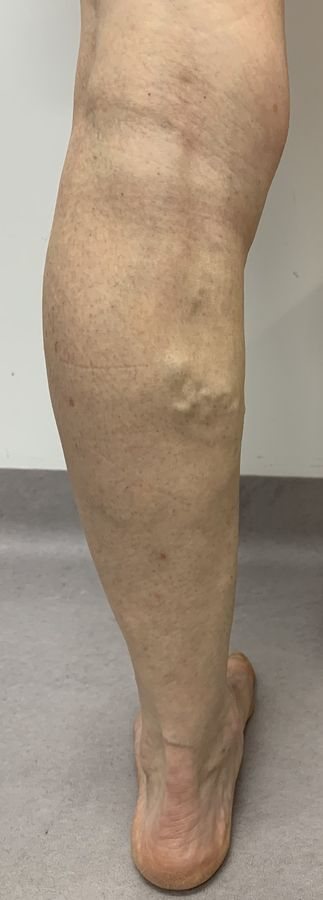
Before treatment: varicose veins on the back of the calfBefore
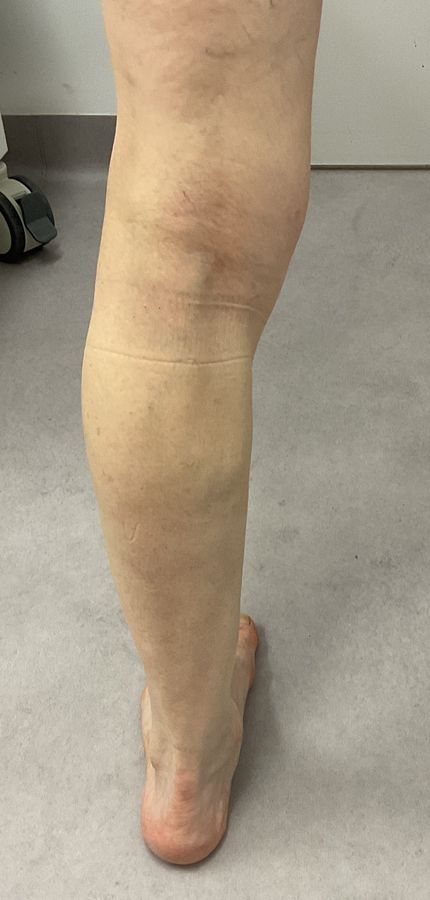
After treatment: the same calf 6 months later, with marks from a compression stockingAfter
Woman in her 70s6 months after radiofrequency ablation and sclerotherapy

Any surgical or invasive procedure carries risks. Your result depends on your veins, your health and the treatment used.

Recovery

Recovery after treatment

Most people are back to normal life within a day or two.

Walking
Straight away. Walking is encouraged from the day of treatment.
Driving
After 24 hours.
Work
Usually after 24 to 48 hours, depending on how physical your job is.
Exercise
Strenuous exercise after 2 weeks.
Stockings
Compression stockings for a period afterwards. How long depends on your treatment, and we will tell you on the day.
Follow-up
A follow-up ultrasound to check the vein has closed. Follow-up ultrasound and any follow-up sclerotherapy are bulk billed.
Cost

What it costs

The same price applies whether the vein is closed with radiofrequency, laser or glue, and includes treatment of the surface veins at the same time. Payment plans are available through humm.

In our rooms
$3,000
Per leg, out of pocket, under local anaesthetic. Medicare pays a rebate when your ultrasound meets the clinical criteria.
In hospital, with private health insurance
$1,800
Per leg, Dr McConnell's gap, at the Mater Hospital with an anaesthetist. Your fund's excess and the anaesthetist's fee are separate.
Dr Ryan McConnell, interventional radiologist
Your doctor

Dr Ryan McConnell

BMBS, FRANZCR · Interventional radiologist

Dr McConnell is an interventional radiologist and vein specialist, and performs every treatment himself. Interventional radiologists treat conditions through a needle, guided by imaging, every day. About varicose vein treatment

Questions

Common questions

Most people feel the local anaesthetic injections, then little else. Some aching or tightness along the treated vein for a week or two is common and settles with walking and simple pain relief.

Both are very effective, with similar long-term results. Dr McConnell uses radiofrequency most often and can perform either in hospital. About laser ablation

Yes. If you have private health insurance, it can be done as day surgery at the Mater Hospital with an anaesthetist.

Medicare pays a rebate when your ultrasound shows a faulty vein that meets the clinical criteria. The $3,000 per leg in our rooms is what you pay out of pocket. Follow-up sclerotherapy and your follow-up ultrasound are bulk billed. See all fees

You can book before you have one, but please get a referral from your GP before your appointment. It means Dr McConnell can keep your GP updated, and you can claim the Medicare rebate on your consultation.

Find out which treatment suits you

Your consultation includes an ultrasound and a written plan and quote, in Manly or St Leonards.

Any surgical or invasive procedure carries risks. Before proceeding, you should seek a second opinion from an appropriately qualified health practitioner. Information on this website is general and isn't a substitute for advice about your own health. For other interventional radiology procedures, visit drryanmcconnell.com.au.

checkBook A
Consult